Cyst Removal In Brighton And Hove
At Grand Aesthetics in Hove, cyst removal is carried out by Dr Liam Piggott under local anaesthetic. Where appropriate, the aim is to remove the whole cyst and its surrounding sac, rather than simply emptying its contents.
- Pricing from
- £300
- Healing time
- 1–2 weeks
- Performed by
- Dr Liam Piggott, GP
What is a cyst?
If you have a cyst that is bothering you, you may be wondering whether it needs to be removed, whether it will come back, and what the procedure actually involves.
A cyst is a closed sac that forms underneath the skin. Epidermoid and sebaceous cysts are common types, and they can develop when a hair follicle becomes blocked or skin cells become trapped beneath the surface of the skin.
Most skin cysts are harmless. However, they can become uncomfortable, inflamed or infected, or simply be something you’d rather have removed. Once a cyst has formed, it often won’t disappear on its own.
If you’re unsure whether a lump is a cyst, it’s important to have it assessed rather than trying to diagnose it yourself.
Should a cyst be drained or completely removed?
Draining a cyst
A cyst can be opened and drained, which removes the material inside it. However, if the cyst wall or sac remains underneath the skin, the cyst can refill and come back.
Surgical removal of the cyst
With surgical removal, the aim is to remove the cyst and its sac. Removing the entire sac reduces the likelihood of the cyst recurring in the same place.
Your doctor will explain whether complete removal is suitable for you during your consultation.
What happens during cyst removal?
Cyst removal is a relatively straightforward procedure, but it’s completely understandable to want to know what will happen before you arrive.
Consultation and examination
Dr Liam will examine the lump and ask about your medical history. He’ll explain whether it appears to be a cyst and talk you through the options available to you.
If there is any uncertainty about the diagnosis, this will be discussed with you before proceeding.
Local anaesthetic
The skin around the cyst is numbed with a local anaesthetic before the procedure begins. You should not feel pain during the removal, although you may notice some pressure, pulling or movement as the cyst is taken out.
Removing the cyst
A small incision is made in the skin and Dr Liam carefully removes the cyst and, where possible, the complete sac. The exact approach depends on the size, position and condition of the cyst.
Closing the incision
Some cyst removals require stitches, while smaller wounds may be managed without them. Dr Liam will explain what is appropriate for your particular procedure.
Aftercare
You’ll be given a dressing and clear instructions for looking after the area while it heals. You’ll also be told what to look out for during recovery and when you can return to activities such as swimming or exercise.
Meet your doctor
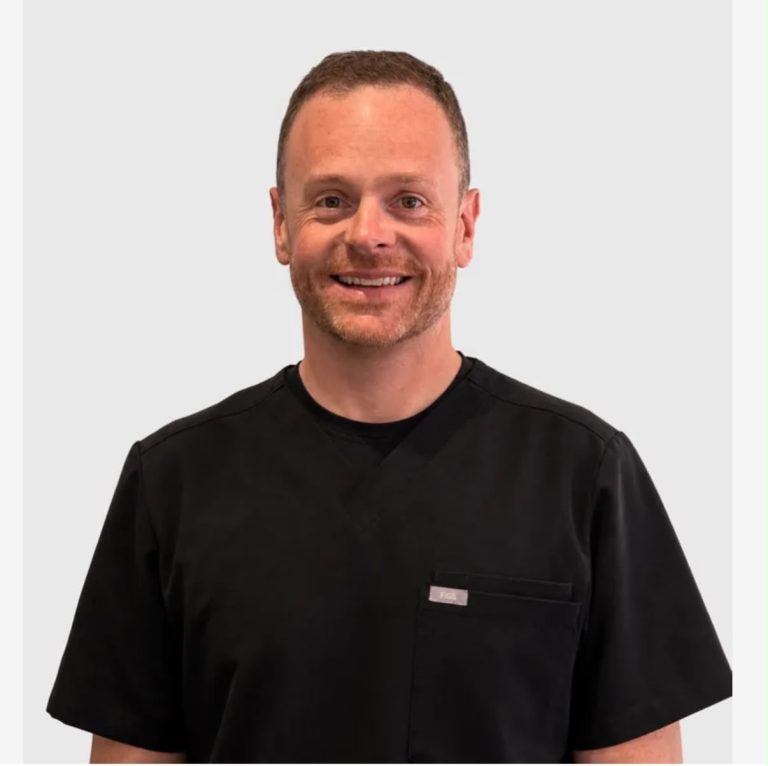
Dr Liam Piggott
GP
Your cyst removal at Grand Aesthetics is carried out personally by Dr Liam Piggott, a fully registered and licensed GP.
You’ll see the same doctor for your consultation and procedure, giving you the opportunity to discuss your concerns directly with the person carrying out your treatment. Dr Liam will also see you for your follow-up appointment where appropriate.
Grand Aesthetics, Hove
Cyst removal is carried out at Grand Aesthetics in Hove, Brighton and Hove.
Your cyst removal appointments
Cyst removal is usually carried out over three appointments. Having the process explained from the outset can make things much easier, particularly if you’ve never had a minor surgical procedure before.
Appointment 1 – Consultation
You’ll meet Dr Liam and have the cyst examined. He’ll ask about your medical history, discuss your options and explain what removal will involve.
This is also your opportunity to ask any questions about the procedure, recovery, scarring or aftercare.
Appointment 2 – Cyst removal
The cyst is removed under local anaesthetic. If Dr Liam feels that tissue should be sent for laboratory analysis, a sample can be arranged at this stage. He’ll explain this to you and let you know about any additional cost.
Appointment 3 – Follow-up
Your final appointment is used to check that the area is healing as expected. If you have stitches that need removing, this can be done at this appointment.
If tissue was sent for laboratory analysis, Dr Liam will also discuss the results with you. If laboratory analysis is required, there is an additional charge on top of the cyst removal procedure. Dr Liam will explain this during your consultation if it is likely to apply.
Cyst removal questions
Is it better to have a cyst removed or drained?
Draining a cyst removes its contents but leaves the cyst sac behind, so it can refill and return. Surgical removal aims to remove the cyst and its sac, making recurrence at the same site less likely.
The most appropriate treatment depends on the individual cyst, so it’s best to have it assessed first.
Does cyst removal hurt?
The area is numbed with local anaesthetic before the procedure, so you should not feel pain during the removal. You may feel some pressure or pulling while the procedure is taking place.
It is normal to have some tenderness or soreness around the area afterwards, and you’ll be given advice on managing the wound while it heals.
Will I need stitches after cyst removal?
Not always. Whether stitches are needed depends on factors such as the size and position of the cyst and the size of the incision required to remove it.
If stitches are needed, Dr Liam will explain how and when they will be removed.
Can a cyst come back after removal?
A cyst can recur if some of the cyst sac remains after removal. When the entire sac is successfully removed, recurrence in the same location is less common.
This is one of the reasons complete removal is generally preferred when the aim is to prevent the cyst from returning.
How long does it take to recover from cyst removal?
Recovery varies depending on the size and location of the cyst and the type of procedure required.
Many people can return to normal day-to-day activities quickly, although you’ll need to take care of the wound while it heals. You may be advised to avoid swimming, strenuous exercise, heavy lifting or contact sports for a period of time.
Dr Liam will give you specific aftercare advice based on your procedure.
When should I have a cyst removed?
You don’t necessarily need to have every cyst removed. However, it’s worth having a cyst assessed if it is:
- Growing or changing
- Painful or increasingly tender
- Red, warm or swollen
- Becoming infected or leaking
- Catching on clothing or otherwise causing problems
- Bothering you because of its appearance
If you’re not sure whether a lump is a cyst, getting it checked is the best place to start. Dr Liam can examine it and explain whether cyst removal is appropriate.

Thinking about having a cyst removed?
If you have a cyst you'd like to have assessed, a consultation with Dr Liam is the first step. He can examine the area, explain your options and answer any questions you have about removal and recovery.