
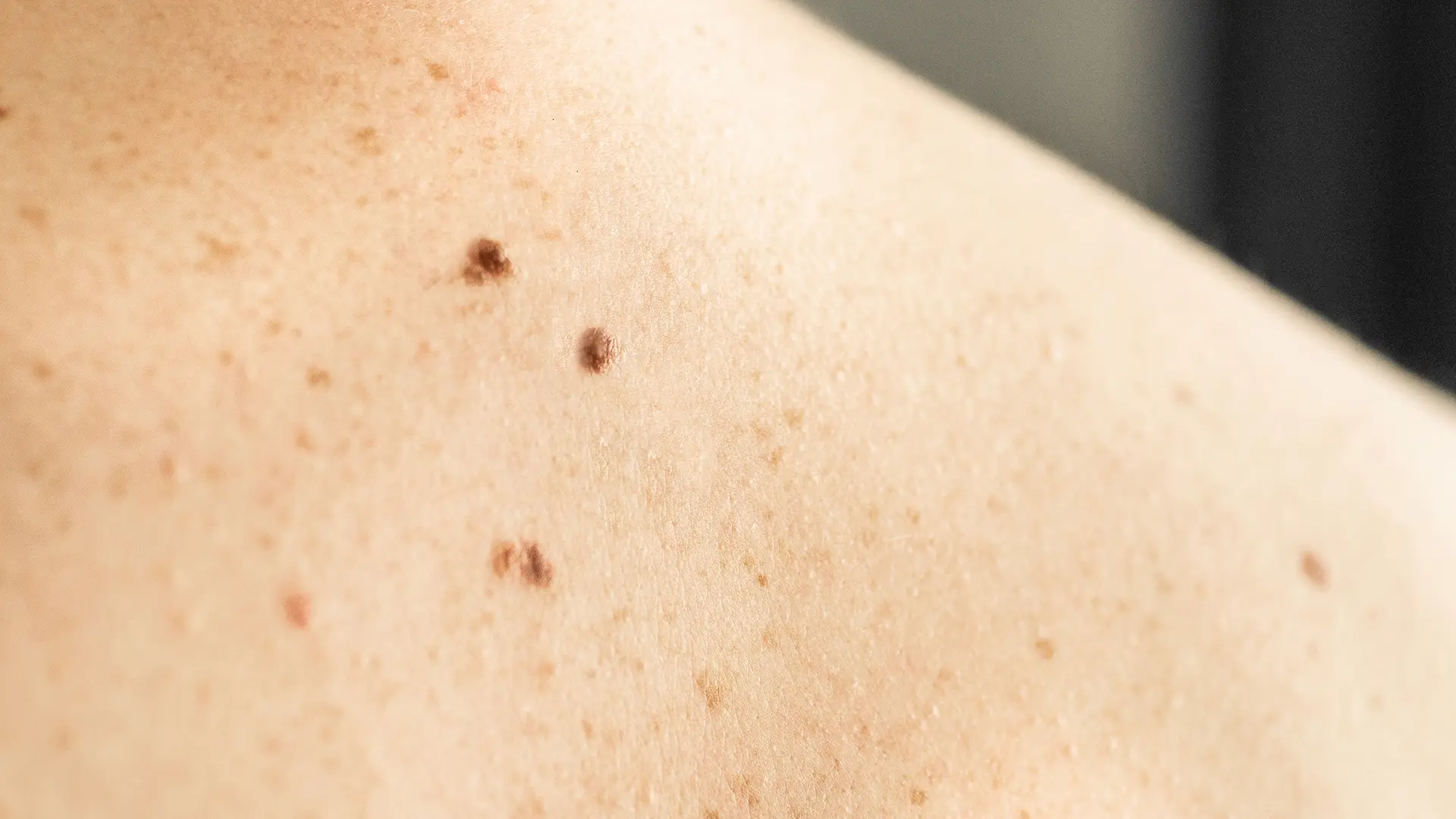
Mole Removal In Brighton And Hove
At Grand Aesthetics in Hove, Dr Liam Piggott examines moles in person and talks you through the options. Depending on the mole, that might mean reassurance, removal, or referral.
- Pricing from
- £300
- Healing time
- 1–2 weeks
- Performed by
- Dr Liam Piggott, GP
When should you have a mole checked?
Most people have a few moles on their skin, and usually they are harmless small areas of darker pigment. However, sometimes they can change, grow, become an irritation… or you would just prefer to live without it.
Most moles are harmless, but changes should be checked. It is worth arranging an assessment if you notice:
A change in appearance
Has the mole changed in size, shape, colour or texture? A new or noticeable change is a good reason to have it looked at.
New symptoms
Itching, tenderness, bleeding, crusting or other changes around a mole should be assessed by a doctor.
It looks different
If one mole looks noticeably different from the others on your skin, it is worth having it checked.
It is getting in the way
Moles can catch on clothing, jewellery or razors, or become irritated during everyday activities. Removal may be an option if a mole is physically bothersome.
You would prefer it removed
A mole does not have to be causing a medical problem for you to ask about removal. Some people simply dislike the appearance of a particular mole.
You want reassurance
Sometimes you simply want a mole examined properly for peace of mind.
What happens during mole removal?
Dr Liam will explain the recommended method and what to expect before treatment.
Consultation and examination
Dr Liam will examine the mole, ask about your medical history and discuss what has prompted you to seek advice. He will then explain whether removal is appropriate and which method is most suitable.
If a mole needs further assessment rather than straightforward removal, he will explain the next steps.
Local anaesthetic
If removal is appropriate, the area is numbed with a local anaesthetic before the procedure begins. You should not feel pain during the removal, although you may notice some pressure or movement.
Mole removal
Depending on the mole’s size, depth and position, it may be removed using surgical excision or shave excision. Dr Liam will explain which approach is suitable for you.
Laboratory analysis, where appropriate
If there is any uncertainty about the nature of a mole, the removed tissue can be sent to a CQC-regulated laboratory for histology. This allows the tissue to be examined and the diagnosis confirmed.
Aftercare
You will leave with a dressing and clear instructions for looking after the area while it heals. If stitches are required, you will also be told when they need to be removed.
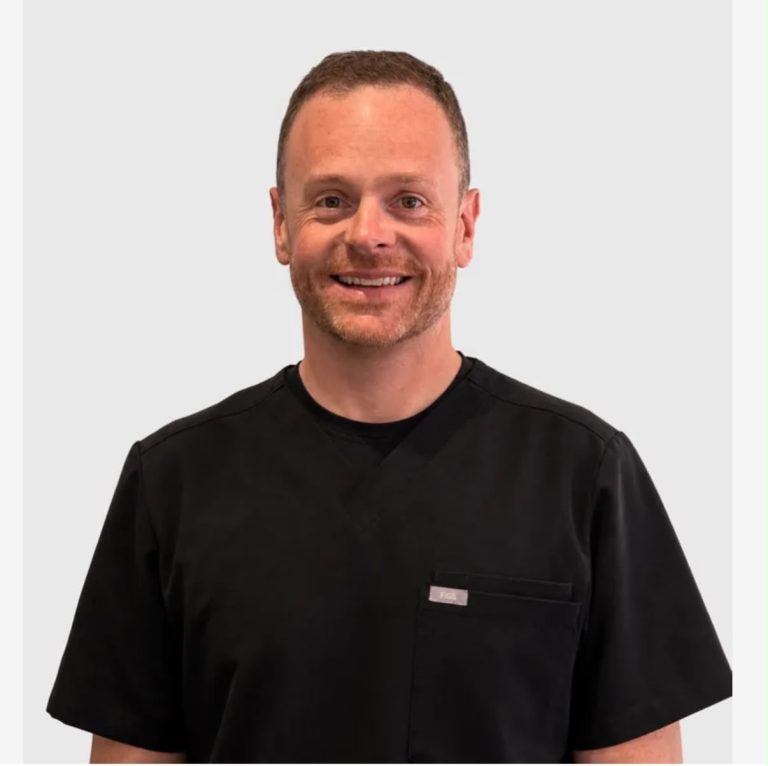
Meet your doctor
Dr Liam Piggott
GP
All mole assessments and removals at Grand Aesthetics are carried out personally by Dr Liam Piggott, a fully registered and licensed GP.
You will see the same doctor for your consultation and procedure, with follow-up where appropriate.
Your mole removal appointments
Mole removal is usually carried out over three appointments, so you know what to expect.
Appointment 1 – Consultation
You will meet Dr Liam and have the mole examined. He will ask about your medical history, discuss your concerns and explain whether removal is appropriate.
Appointment 2 – Removal
The mole is removed under local anaesthetic using the agreed technique. If the tissue needs to be sent for laboratory analysis, this is arranged at this stage.
Appointment 3 – Review
The follow-up appointment is used to check how the area is healing and remove any stitches if necessary. If tissue was sent for histology, Dr Liam will also discuss the results with you.
Laboratory analysis carries an additional charge, which Dr Liam will explain at your consultation if applicable.
You can ask questions at every stage, and there is no pressure to proceed with removal.
Questions about mole removal
How do I know if a mole needs to be removed?
A mole should be checked if it has changed in size, shape, colour or texture, or if it has started itching, hurting, bleeding or crusting. A mole that looks different from your others is also worth having assessed.
People also ask about removal because they dislike a mole’s appearance or find that it catches on clothing. Dr Liam can explain whether removal is appropriate.
Is mole removal painful?
The area is numbed with local anaesthetic before removal, so you should not feel pain during the procedure. You may feel some pressure or pulling.
It is normal to have some tenderness afterwards. Dr Liam will give you specific advice about looking after the area as it heals.
Will the mole be tested after removal?
Not every mole necessarily needs laboratory analysis. If there is uncertainty about its nature, the removed tissue can be sent to a CQC-regulated laboratory for histology.
Dr Liam will explain whether testing is recommended in your case.
Will mole removal leave a scar?
Any procedure that removes skin can leave a scar or mark. The aim is to keep this as small and neat as possible, but the final appearance depends on the mole, its location, the removal method and how your skin heals.
Scars often become less noticeable as they mature.
How long does mole removal take to heal?
Initial healing commonly takes around one to two weeks, although this varies according to the size and location of the mole and the removal technique used.
You will be given aftercare advice, including when you can return to swimming or other exercise.
Can I have a mole removed for cosmetic reasons?
Yes, some people choose removal simply because they would prefer not to have a particular mole, even when there is no medical concern.
Dr Liam will still examine the mole before removal and explain what you can expect from the procedure and scar.

Thinking about having a mole removed?
A consultation is the first step. Dr Liam can examine the mole, answer your questions and explain whether removal, reassurance or further assessment is appropriate.